

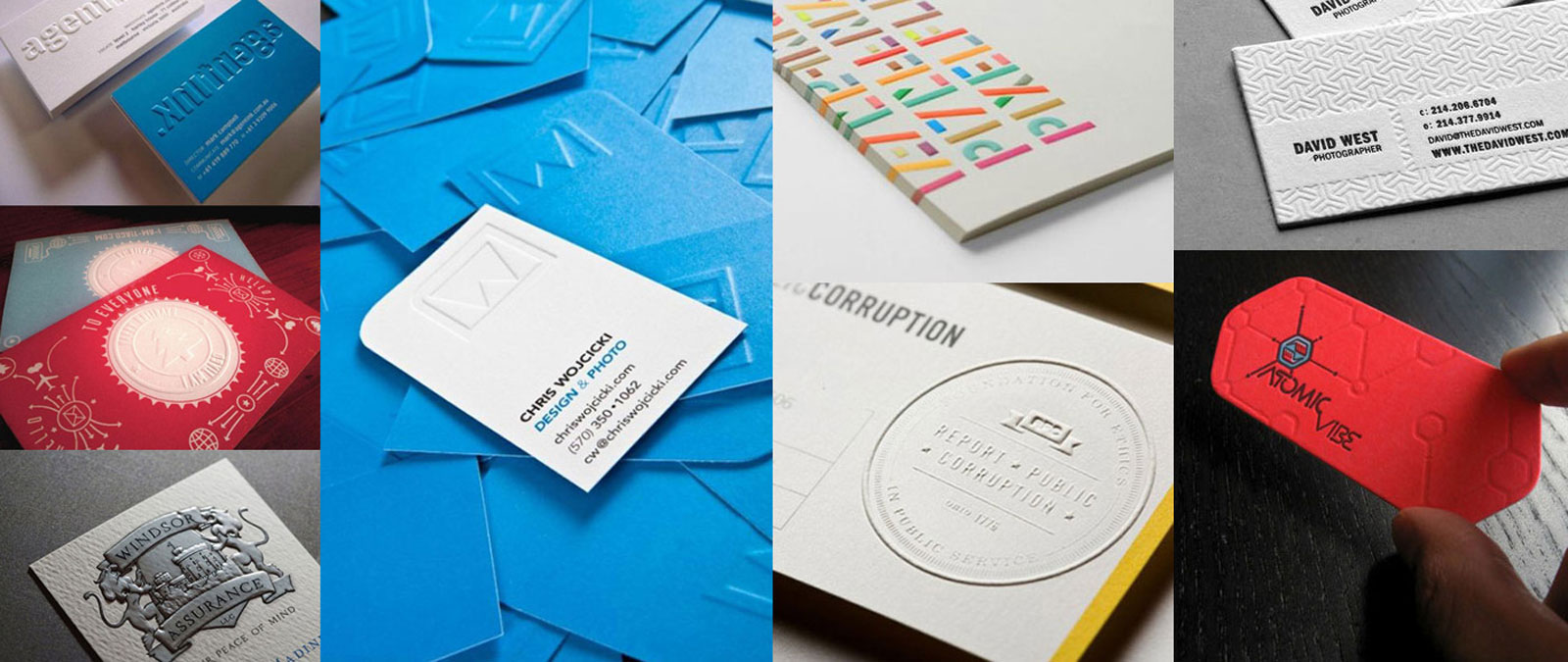
With embossing, we add dimension to Your designs. We use this technique to create a raised design or image on a surface. It's often used to add texture and visual interest to various materials, including paper, leather, and metal.
How Does Embossing Work?
- Die Creation: A metal die is created with the desired design, either raised or recessed.
- Material Preparation: The material to be embossed is placed on a press.
- Embossing Process: The die is pressed into the material, creating a raised or recessed image.
Types of Embossing
- Blind Embossing: Creates a raised or recessed design without the use of ink or foil.
- Foil Embossing: Combines embossing with foil stamping to add a metallic or colored accent to the raised design.
- Debossing: The opposite of embossing, creating a recessed design.
Common Uses of Embossing
- Packaging: Elevating the look of boxes, bags, and labels.
- Stationery: Adding a touch of elegance to invitations, business cards, and envelopes.
- Textiles: Creating textured patterns on fabrics.
- Leather Goods: Embossing logos, patterns, and initials on leather products.
Benefits of Embossing
- Enhanced Visual Appeal: Adds depth and texture to designs.
- Improved Brand Perception: Creates a high-quality, luxurious look.
- Tactile Experience: Provides a unique sensory experience for the user.
- Durability: Embossed designs are more durable and resistant to wear and tear.